How to Recognize a Flower Delivery Phishing Email
@petaljournal70
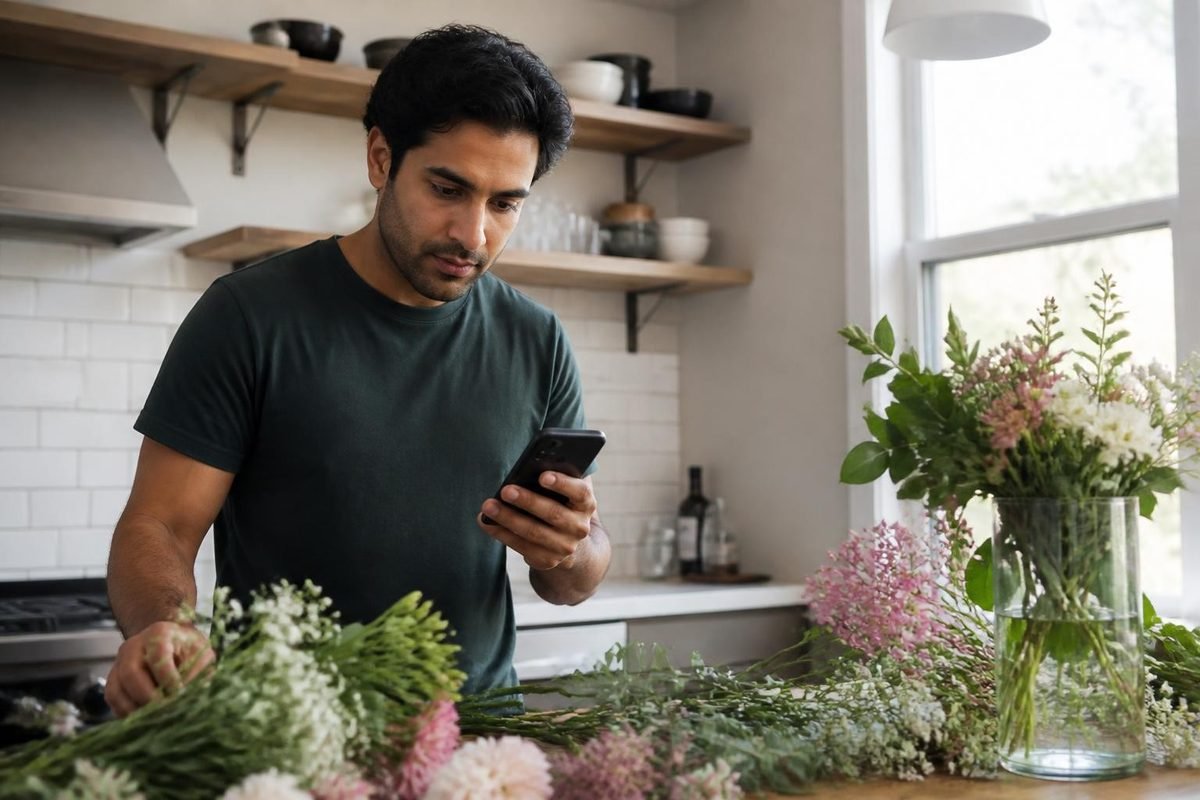
A flower delivery phishing email tries to make you act on a message about flowers so the sender can steal information or money. Look for an unexpected delivery notice that urges you to click a link, open an attachment, or pay a small fee before you can receive flowers.
Check the delivery story
Think about what the email claims and what you know. An unexpected bouquet is possible, so a surprise delivery alone does not prove a message is fraudulent. But an email that gives no useful delivery details and pushes you to act immediately deserves care.
Be cautious if the message says a delivery has failed, a parcel is being held, or an address must be confirmed, especially if you were not expecting flowers. A claimed deadline can be used to rush you past the checks you would normally make.
Scammers can include a recipient name or other familiar details. Personal information in a message is not proof that the sender is legitimate.
Look closely at requests and links
A phishing email often asks you to solve a problem through a link in the message. Common warning signs include:
- A request for card details to release or reschedule flowers.
- A demand for a password, account code, or other sensitive information.
- A link whose web address does not match the delivery company it claims to represent.
- An attachment presented as a delivery receipt or order form that you were not expecting.
- Pressure to act immediately, paired with a threat that the flowers will be returned.
A small payment request can still be a way to collect card details. Do not assume a message is safe because it has a logo, polite wording, or no spelling mistakes. Those details can be copied or written carefully.
Verify the sender independently
Check the full sender address, not just the name displayed in your inbox. An unfamiliar or misspelled address can be a warning sign, although a familiar looking address does not guarantee that a message is genuine.
If a delivery company is named, find its contact details yourself through a trusted source rather than using the email's links or phone number. Ask if there is a delivery for you. If you think someone you know sent flowers, contact that person using a number or account you already have.
Do not reply to the suspicious message while you check it. Avoid opening attachments, and do not enter information on a page reached through its link.
If you have already acted
If you entered a password, change it promptly on the real account site and on any other account where you reused it. Contact your bank or card issuer if you supplied payment details, and explain what happened. If you downloaded or opened an attachment, follow the security guidance for your device or contact your organization's support team if it is a work device.
You can report the message as phishing using your email service's reporting option. Then delete it. A separate check through a trusted contact is safer than letting an unexpected delivery email set the terms.
Also helpful: how to send a surprise gift